Table of Contents
Your baby isn’t due for another few months, yet your phone is already full of saved links. A stroller, a crib, tiny sleepsuits, baby bottles, swaddles, a bottle warmer, a sterilizer, developmental toys… And that’s just the beginning!
It’s amazing how many things such a tiny person supposedly needs. One quick visit to an online baby store, and your newborn shopping list starts growing at an alarming rate. Especially when almost every product is labelled as a “must-have from day one.”
But do you really need all of it?
The truth is, newborn babies need far fewer things than we’re led to believe. And the best approach to preparing for your baby’s arrival isn’t to anticipate every possible need, but to create a comfortable, practical space for those first few weeks at home.
A good newborn essentials checklist isn’t about buying everything baby stores have to offer. It’s about choosing the things that will genuinely make life easier for your family during those early weeks.
So, let’s look at what you really need to buy before your baby arrives, which items you won’t want to be without, which purchases can make everyday life a little easier, and what can comfortably wait until later.
And, of course, we’ll talk about where it’s worth spending a little more and which baby essentials are perfectly fine to buy second-hand.
Why Does Your Newborn Essentials Checklist Keep Getting Longer?
Preparing for your baby’s arrival is such a special time. You want to choose the very best, think of everything, and make certain nothing gets forgotten. That’s why a newborn essentials checklist often starts out quite sensibly: a crib, a stroller, some baby clothes. But before you know it, you’ve added a special diaper disposal bin, five different types of bottles, an entire collection of pacifiers, and a gadget that promises to soothe your baby almost all by itself.
Baby clothes are particularly hard to resist. Tiny socks, little hats, adorable sleepsuits with bunny ears – somehow, it seems impossible to leave a baby store without picking up just one more cute outfit. The only problem is that babies don’t grow according to our shopping lists. One baby arrives on the smaller side and wears size 56 for several weeks. Another might barely fit into it from the start. Some babies sleep happily in a simple sleeping bag, and others settle better with a different approach. Some parents love having a dedicated changing table, only to discover a few days later that a different setup works better for their family. That’s why it’s worth dividing your newborn essentials checklist into three categories from the start: things you’ll definitely need from day one, things that depend on your family’s preferences, and purchases that can easily wait until after your baby arrives. And this is where things get interesting.
Newborn Clothes: Why You Shouldn’t Buy Too Much
When expectant parents put together their newborn essentials checklist, clothes are usually at the very top. And this is where it’s easiest to buy far more than you’ll actually need. It’s easy to see why. There’s something irresistible about those tiny outfits. Even people who normally walk straight past clothing stores somehow find themselves unable to resist an adorable little sleepsuit.
But a newborn’s wardrobe should be practical above everything else. During the first few weeks, your baby will spend much of their time sleeping, being held, and feeding. There will be frequent diaper changes, outfit changes, and those inevitable little accidents that call for an entirely fresh set of clothes.
That’s why soft fabrics and easy-to-use fastenings are your best friends. Choose clothes that are comfortable for your baby and simple to put on and take off.
How Many Clothes Does a Newborn Really Need?
Here’s a practical starting point:
- 5–7 bodysuits with short or long sleeves, depending on the season;
- 5–6 sleepsuits or footed pajamas;
- 2–3 pairs of soft trousers;
- 2 cardigans or other layering pieces;
- a few pairs of socks;
- a seasonally appropriate hat for outdoor walks;
- a warm outdoor suit or baby bunting for colder weather.
These numbers aren’t strict rules. If you’re happy to do laundry every day, you may get by with fewer clothes. If you prefer washing less often, a few extra outfits will make everyday life much easier.
The biggest mistake is buying too many clothes in the same size. Especially sizes 50 and 56 in European sizing. It’s difficult to predict exactly how big your baby will be at birth, and babies grow incredibly quickly during those first few months. It’s better to start with a modest selection and buy more once you know which size fits best.
Cute or Practical?
When choosing baby clothes, try looking at them from a practical perspective, not just through the eyes of an excited parent.
How easy will it be to open that sleepsuit during a nighttime diaper change? Will you have to undress your baby completely? Could bulky decorations, rough seams, or stiff details make lying down uncomfortable?
An outfit with ten tiny buttons might look absolutely adorable. But imagine trying to fasten them all at four in the morning when you’re desperate for some sleep. Suddenly, practicality wins over appearance. Of course, that doesn’t mean you have to give up beautiful baby clothes altogether. One or two special outfits are lovely to have, but most of your newborn’s wardrobe should be made up of comfortable, easy-to-wear everyday essentials.
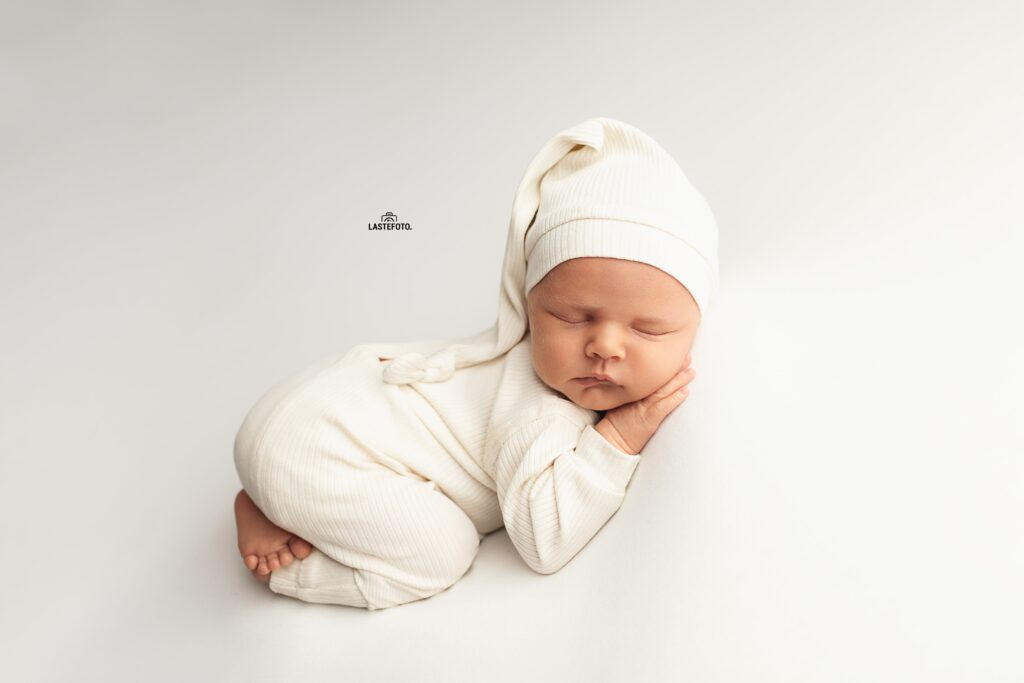
Where Will Your Baby Sleep? Choosing a Crib and Bedding
A crib is one of the first things parents add to their newborn essentials checklist. They carefully choose the color, shape, and design, compare sizes, and look for beautiful bedding.
Sometimes, the nursery looks so lovely that it could be straight out of an interior design magazine.
But here’s the thing: during those first few months, your baby couldn’t care less about the color of their crib or whether it matches the curtains.
What really matters is having a safe place to sleep. A newborn needs a suitable crib or bassinet with a firm, flat mattress that fits snugly, without gaps around the edges. The fitted sheet should fit securely around the mattress. Pillows, padded crib bumpers, large stuffed animals, loose blankets, and decorative baby nests don’t belong in a newborn’s sleeping space. Babies should be placed on their backs to sleep, in their own safe sleeping space in the same room as their parents for at least the first six months.
What Do You Really Need for Newborn Sleep?
Along with a suitable crib or bassinet, you’ll need a few fitted sheets, a waterproof mattress protector, and a properly sized baby sleeping bag appropriate for the room temperature.
I’d recommend focusing on the quality of the mattress and the safety of the sleeping space rather than decorative accessories. A beautiful canopy or an elaborate bedding set might look wonderful in a product photograph, but neither needs to be part of your baby’s actual sleeping environment.
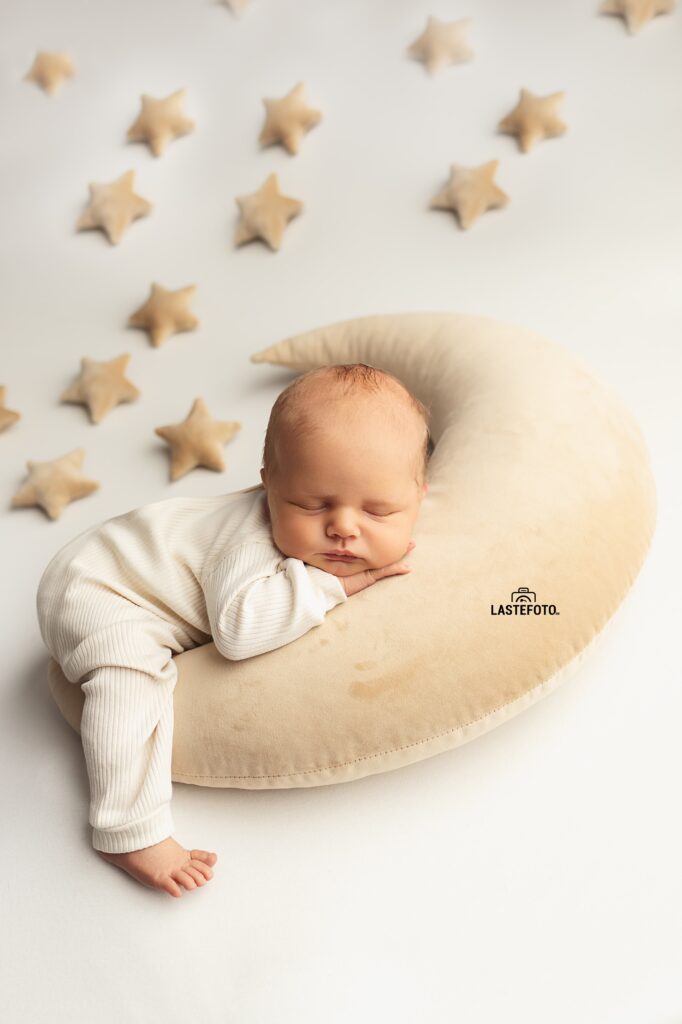
Choosing a Stroller: Why Practicality Matters More Than Appearance
Take a look at any newborn essentials checklist, and the stroller will probably be one of the most expensive items on it. Choosing the right one can turn into a research project of its own. Parents compare dozens of models, read reviews, watch videos, and try to decide whether they need a traditional pram with a spacious carrycot, a 3-in-1 travel system, or something more compact.
There’s no one-size-fits-all answer. Think about what an ordinary walk with your baby will look like. Do you live in a building with an elevator, or will you have to carry the stroller up and down the stairs? Do you travel by car frequently? Will you mostly be walking through parks, along city streets, or in the countryside? Do you have enough space to store it?
If you live in Tallinn, the weather is another thing to keep in mind. Autumn rain, winter slush, snow, and strong winds can all affect how comfortable your walks will be. Good wheels, stability, reliable brakes, and protection from the elements may prove far more useful than an impressive collection of accessories.
Before buying, try folding and unfolding the stroller yourself. Check how much it weighs, how compact it is when folded, and whether you can comfortably steer it with one hand. A beautiful stroller that takes a real struggle to lift into the car boot can quickly lose its appeal.
And remember: a stroller for a newborn needs a suitable lie-flat option, following the manufacturer’s instructions.
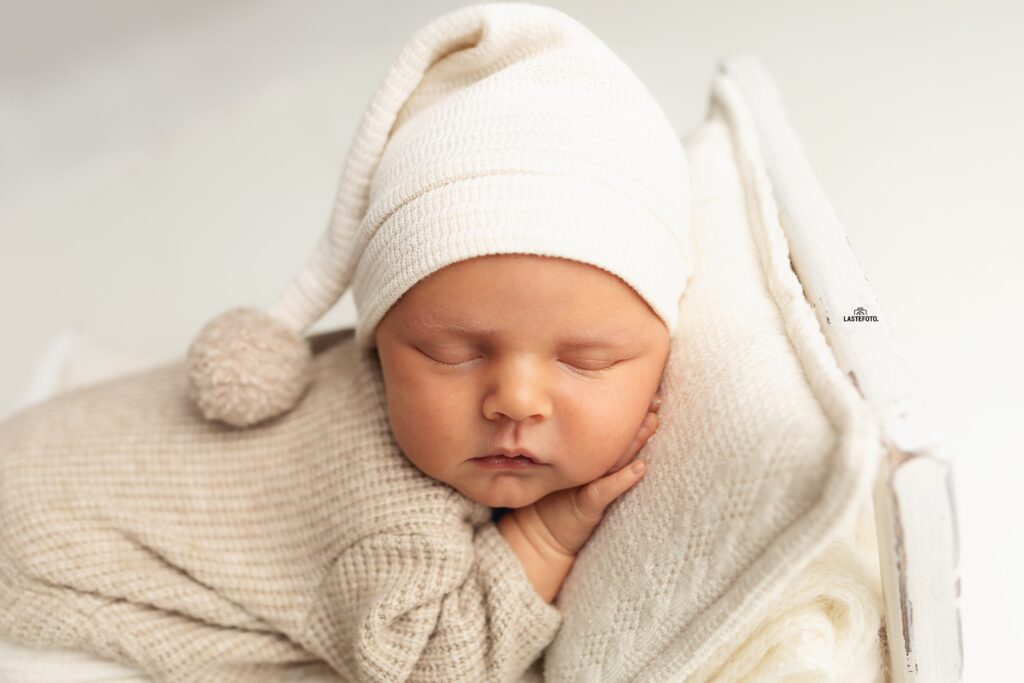
Infant Car Seats: One Purchase That Deserves Extra Attention
If you’re planning to travel with your baby by car, you’ll need a suitable infant car seat for that very first journey home from the hospital.
But buying the car seat is only half the job. It’s just as important to learn how to install it correctly, adjust the harness, and secure your baby safely.
Newborns need rear-facing car seats that are appropriate for their height and weight. When choosing one, pay attention to current safety regulations and certification labels.
If you’re considering a second-hand car seat, make certain you know its history. Check that it hasn’t been involved in an accident, has no damage, is still within the manufacturer’s permitted period of use, and comes with all its original parts. Saving money on a used car seat with an unknown history simply isn’t worth the risk.
It’s best to avoid additional cushions, padding, and inserts that haven’t been approved by the car seat manufacturer. They may interfere with your baby’s position or prevent the harness from working correctly.
Choose a suitable model, read the instructions carefully, and practice installing it before your baby arrives.
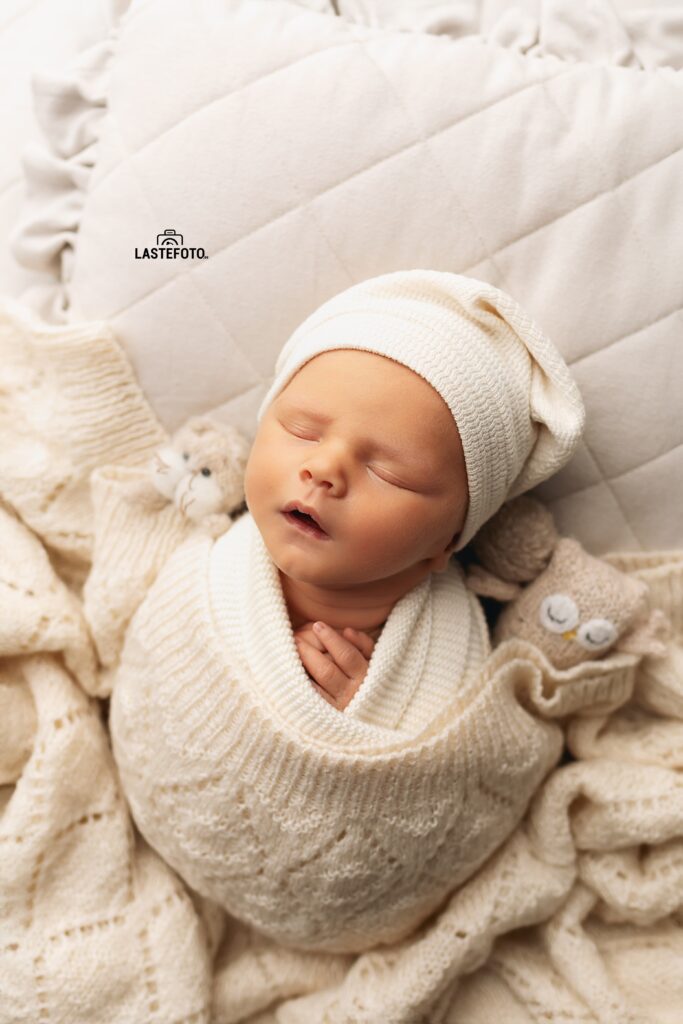
Diapers and Baby Care: How Much Do You Really Need?
Even the shortest newborn essentials checklist will include diapers. They’re one of the few baby products whose necessity quickly becomes impossible to question.
But there’s no need to turn your home into a diaper warehouse. Start with a small supply of newborn diapers, and once your baby arrives, you’ll discover which brand and size work best. Different manufacturers have different fits, shapes, and sizing systems. Even the most expensive diapers won’t necessarily be the most comfortable choice for your baby.
The same goes for baby wipes and skincare products. During the first few weeks, warm water, soft cleaning cloths, and a small selection of products suitable for sensitive newborn skin are often all you need.
There’s no reason to stock up on an entire collection of shampoos, lotions, oils, and creams in advance. Some of them may never be needed at all.
Creating a Comfortable Diaper-Changing Area
One thing that’s definitely worth thinking about is where you’ll change your baby’s diapers and clothes.
A dedicated changing table isn’t a must-have. A stable surface with a suitable changing mat can work just as well, provided everything is set up safely. But having a comfortable working height makes a real difference, especially when you’re changing diapers several times a day.
Picture a typical morning: your baby wakes up, needs a fresh diaper and a clean outfit, but everything you need seems to be scattered around different corners of the room. Not exactly the most relaxing start to the day! Life is much easier when diapers, clean clothes, wipes, a waste bag, and a spare muslin cloth are all within reach.
And, of course, never leave your baby unattended on a raised surface, not even for a few seconds.
Bathing Your Newborn: Do You Really Need a Baby Bathtub?
Baby bathtubs come in all shapes and sizes, with stands, built-in thermometers, and all sorts of extra features.
But bathing your newborn doesn’t require a whole collection of special equipment. A baby bathtub can be very convenient, especially if you have enough space in your bathroom. Some parents prefer foldable models, others are perfectly happy with a simple, traditional tub. What matters most is that it’s easy to clean, stable, and safe to use.
For those first baths, a few soft towels will come in handy, and you can check the water temperature safely, using a bath thermometer if you prefer. There’s absolutely no need to stock up on lots of bath gels, bubble baths, or fragranced products.
The same principle applies here: start with the basics and see what actually makes your daily baby-care routine easier.
Feeding Your Baby: Why You Don’t Need to Buy Everything in Advance
Feeding supplies are a category of their own when it comes to shopping for a newborn.
It might seem sensible to buy a breast pump, a sterilizer, several sets of bottles, a bottle warmer, and various other accessories before your baby arrives.
But what you’ll actually need depends largely on how your baby will be fed. If you’re planning to breastfeed, comfortable nursing bras, breast pads, soft muslin cloths, and a few practical items to make things easier for mum can be helpful.
If you’re formula feeding, you’ll need suitable bottles, equipment for cleaning and sterilizing them, the formula itself, and an understanding of how to prepare feeds safely.
There’s no need to rush into buying an expensive breast pump or a large collection of bottles “just in case.” Some mums find these products invaluable, yet others barely use them. It’s more practical to start with the basics and make additional purchases as your needs become clearer, following guidance from healthcare professionals when needed.
Why Do Parents Love Muslin Cloths So Much?
Some baby products look completely ordinary but quickly become surprisingly useful.
Muslin cloths are a perfect example. Parents use them during feeds to protect their clothes, drape over a shoulder when burping the baby, wipe up little spills, or take along on walks. They’re lightweight, soft, compact, easy to wash, and handy to keep close by.
Baby First-Aid Kit: Less Is More, as Long as You’re Prepared
Expectant parents sometimes try to stock up on medicines for just about every possible situation before their baby arrives.
But your newborn’s first-aid kit doesn’t need to turn into a miniature pharmacy. A few basics may come in handy, such as a digital thermometer, sterile gauze pads, saline solution if recommended by a healthcare professional, and baby-care products suggested by your midwife or pediatrician. Medicines, drops, ointments, and other treatments are best purchased when there’s a genuine need and after consulting a healthcare professional. This is particularly true for newborns, as correct dosages, age restrictions, and medical indications matter enormously.
It’s far more useful to find out in advance how to contact your family doctor, where to seek medical advice outside regular office hours, and which symptoms require urgent attention.
It might not be the most exciting part of preparing for your baby’s arrival, but it’s certainly one of the most practical.
Newborn Toys: Do Babies Really Need Them in the First Few Weeks?
The baby toy aisle can be just as tempting as the section filled with adorable little outfits.
High-contrast cards, musical mobiles, rattles, activity mats, soft toys, and elaborate play gyms all promise to support your baby’s development from day one.
But newborns don’t need a huge collection of toys to keep them entertained. In those early days, the most fascinating things in their world are the faces of loved ones, familiar voices, gentle touch, and gradually discovering everything around them.
As your baby starts spending more time awake, simple high-contrast pictures, age-appropriate rattles, or an activity mat for supervised play may become useful.
There’s no need to buy everything at once. Your baby’s development isn’t measured by how many toys you managed to buy before they were born.
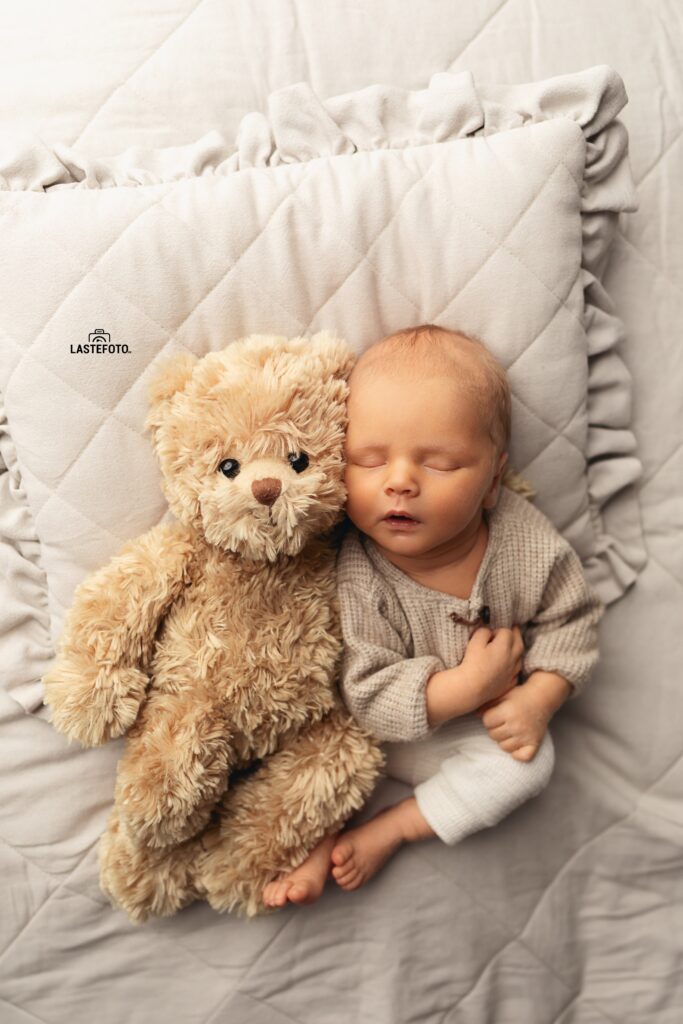
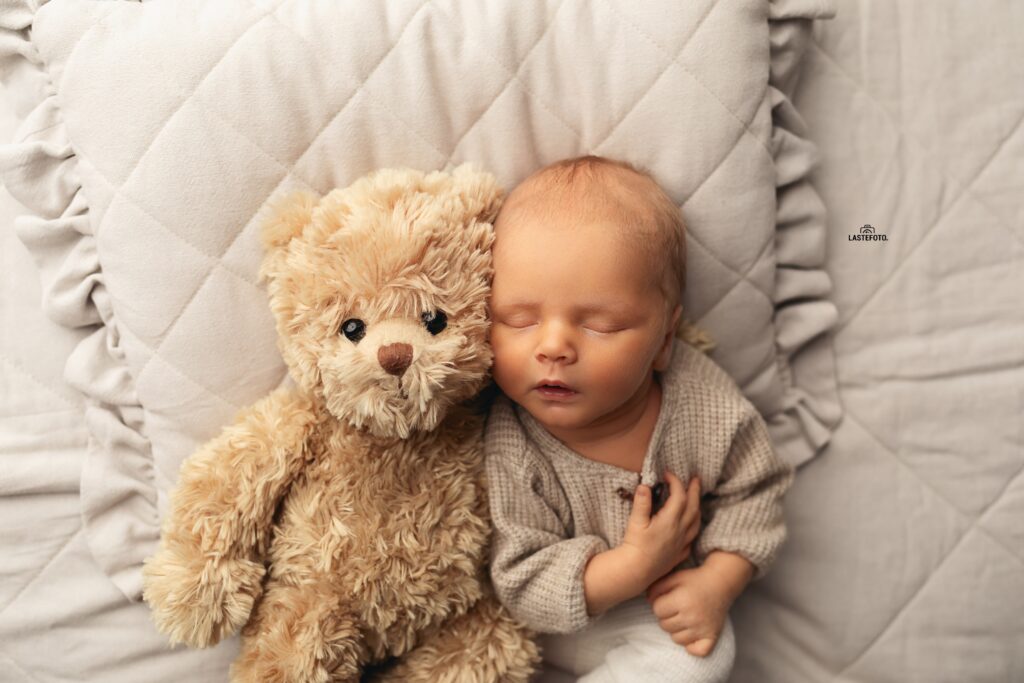
And one more thing: soft toys might look adorable decorating the nursery, but they should never be left in a sleeping newborn’s crib. For now, that favorite teddy bear can keep an eye on your little one from a shelf.
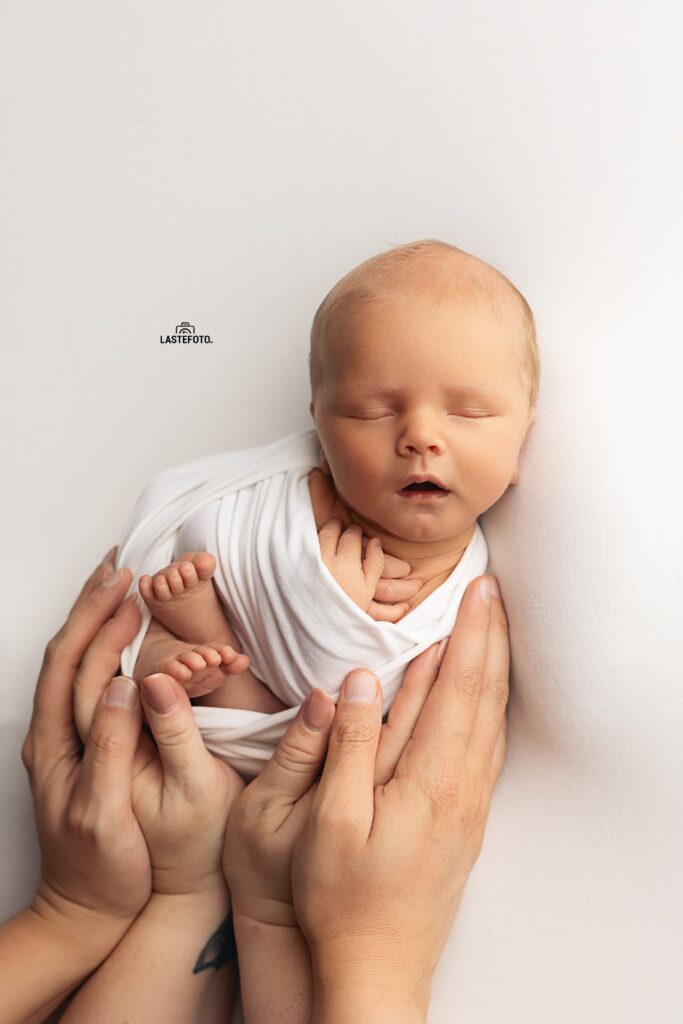
10 Newborn Essentials You Don’t Need to Buy Right Away
When putting together your newborn essentials checklist, don’t rush to include every gadget that promises to make parenting easier. There’s a whole category of baby products that might turn out to be useful, but only once you’ve had a chance to get to know your baby’s habits and preferences.
Take a bottle warmer, for example. If you regularly feed your baby expressed breast milk or follow a particular feeding routine, it might come in handy. If not, there’s a good chance it’ll simply take up space in your kitchen.
The same goes for baby swings and bouncers. Some babies enjoy spending short periods in them while awake and supervised. Others aren’t interested at all. And these devices should never be used as a substitute for a safe crib or bassinet.
Nursing pillows are another example. Some mums find them incredibly helpful, whereas others prefer using ordinary pillows to support their own position during feeding, without ever letting the baby sleep on them.
Here are ten purchases you can decide on after your baby arrives:
- Bottle warmer.
- Electric breast pump, if there’s no particular reason to need one in advance.
- A large collection of baby bottles in different sizes.
- Electric baby swing.
- Baby bouncer.
- Expensive musical mobile.
- Large collection of developmental toys.
- Special diaper disposal bin.
- Multiple sets of fancy newborn outfits.
- Extra feeding accessories purchased before you know what you’ll actually need.
This isn’t a list of useless products. Any of these items could become a favorite that your family uses every day. There’s simply no need to buy them all in advance. And some products marketed as baby sleep solutions — such as padded baby nests, sleep positioners, and inclined sleepers — shouldn’t be used as sleeping spaces for newborns at all.
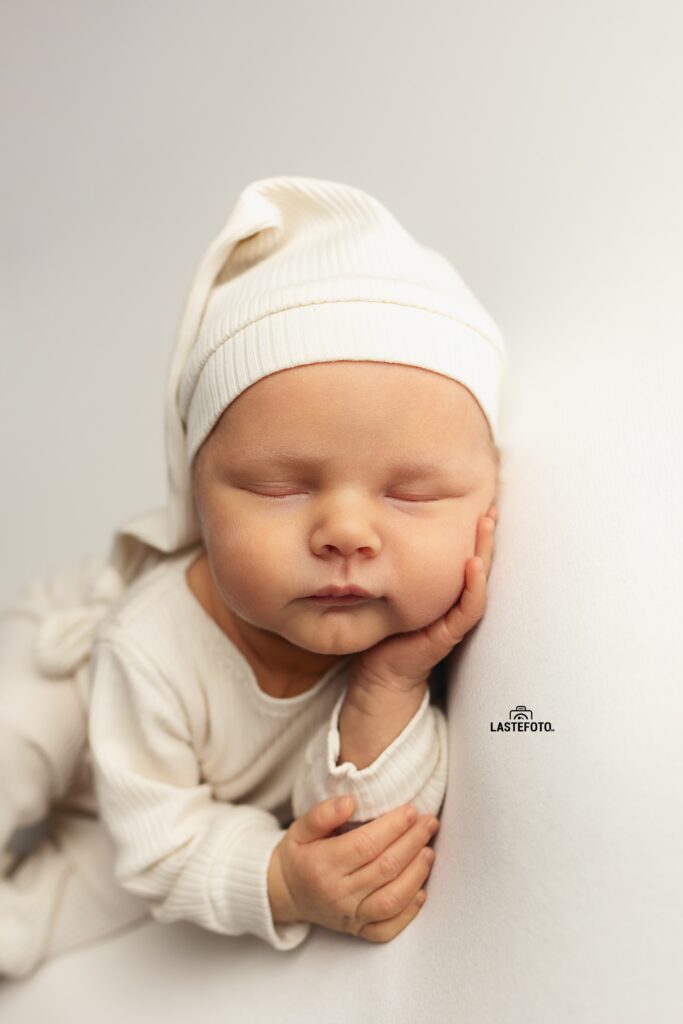
Where You Can Save Money and Where You Shouldn’t
Having a baby comes with plenty of expenses, so it’s only natural to look for ways to save money.
The good news is that your newborn essentials checklist doesn’t have to include brand-new items only. Baby clothes, especially in the smallest sizes, are often still in almost perfect condition. Babies simply outgrow them before they’ve had a chance to wear them out.
For the same reason, second-hand furniture, changing dressers, certain stroller accessories, and other baby items can be worth considering, provided they’re in good condition, suitable for their intended purpose, and meet current safety standards.
Friends and relatives sometimes have entire boxes of baby clothes that were worn only a handful of times. And there’s absolutely no reason to feel awkward about accepting them. In fact, it’s a sensible way to avoid spending money on things your baby might need for just a few weeks.
But some purchases deserve extra attention, particularly when it comes to safety and knowing how an item has been used.
A crib mattress should be clean, undamaged, flat, firm, and fit the crib snugly without gaps. If you’re unsure about the condition of a second-hand mattress, it’s better to buy a new one.
You need to be even more careful with car seats. An unknown history, possible involvement in an accident, signs of damage, or missing instructions are all good reasons to walk away from a purchase.
Before buying a second-hand stroller, carefully check the brakes, fastenings, wheels, folding mechanism, and overall condition.
Saving money is a great idea, as long as it doesn’t come at the expense of safety.
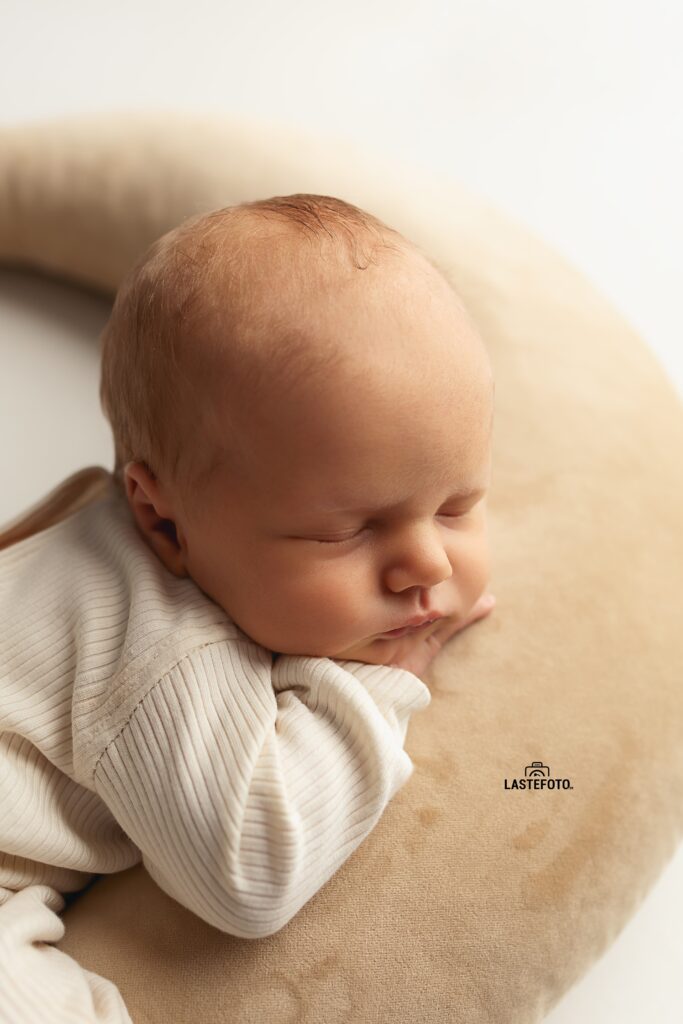
How to Prepare Your Home for a Newborn Without Turning It Into a Baby Store
Imagine your baby is already home. It’s an ordinary morning. You need to change a diaper, get your baby dressed, feed them, and settle them down for a nap. Somewhere between all that, you’d quite like to finish a cup of tea before it goes cold.
That’s the perspective worth keeping in mind when preparing your home. It’s not about how many things you’ve bought, but how convenient they are to use. Where are the clean bodysuits kept? Do you have to go into another room every time you need a diaper? Is there a glass of water within reach when you’re feeding your baby? Can you easily dim the lights in the evening? And can you reach everything you need with one hand when you’re holding your little one in the other?
Simple, practical arrangements often make a bigger difference than expensive gadgets. There’s no need to completely reorganize your home. Just think ahead about creating a few convenient areas for sleeping, changing, feeding, and storing the things you’ll use most often.
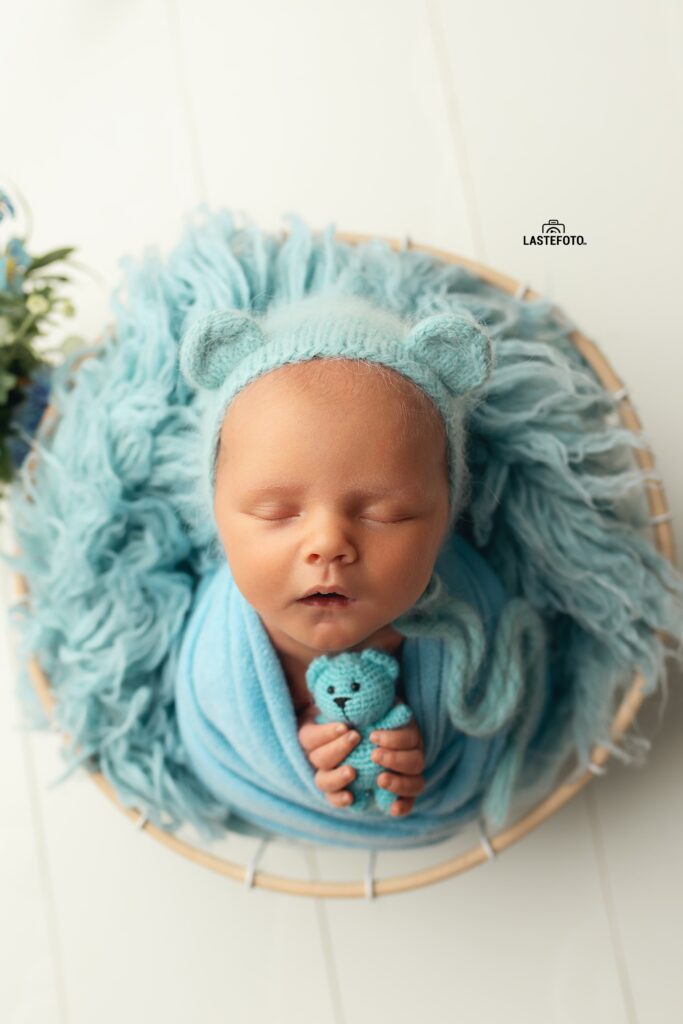
What to Buy Before Your Baby Arrives and What Can Wait
The most practical approach is not to try to buy absolutely everything at once. Start with the things you’ll need during those first few days: a safe place for your baby to sleep, a small selection of clothes, diapers, basic baby-care supplies, feeding essentials, and a suitable infant car seat if you’ll be travelling by car. Then think about a stroller or another age-appropriate option for outings that fits your family’s lifestyle.
Everything else can be added gradually.
And don’t feel you’ve failed to prepare properly if you discover you’ve forgotten something after your baby arrives. During those first few weeks, almost every parent rethinks what they thought would be practical and convenient. That’s perfectly normal. After all, how could you possibly know every little preference of someone you haven’t even met yet?
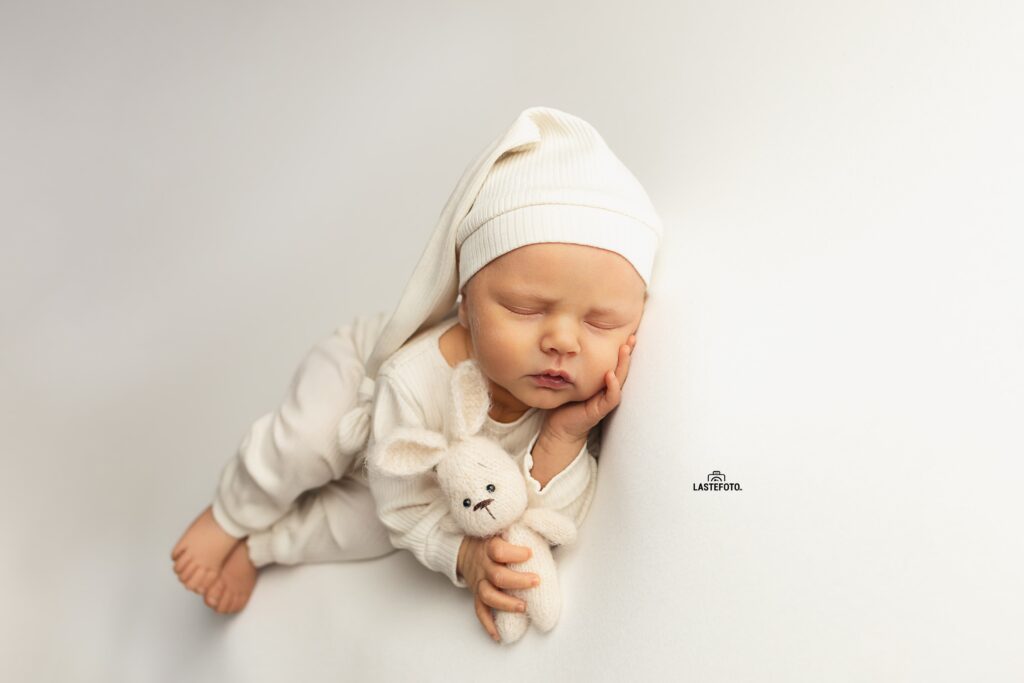
One Thing You Can’t Buy Later
When expectant parents put together their newborn essentials checklist, they’re usually thinking about what their baby will need during those first few months. Clothes, a crib, a stroller, everyday care products — all these things help make daily life easier. But there’s something I’d love to remind you of as a newborn photographer.
You can never bring back your baby’s very first days.
Right now, it might seem as though your baby will always be this tiny. As though those little fingers, sleepy expressions, and adorable folds on their arms and legs will stay just the way they are for a long time.
But babies change incredibly quickly. The sleepsuit that was a little too big on the day you brought your baby home soon becomes too small. Their facial features change, their movements and expressions develop, and new little habits begin to appear.
And one day, parents look back at photographs from those early days and wonder: was our baby really ever that tiny?
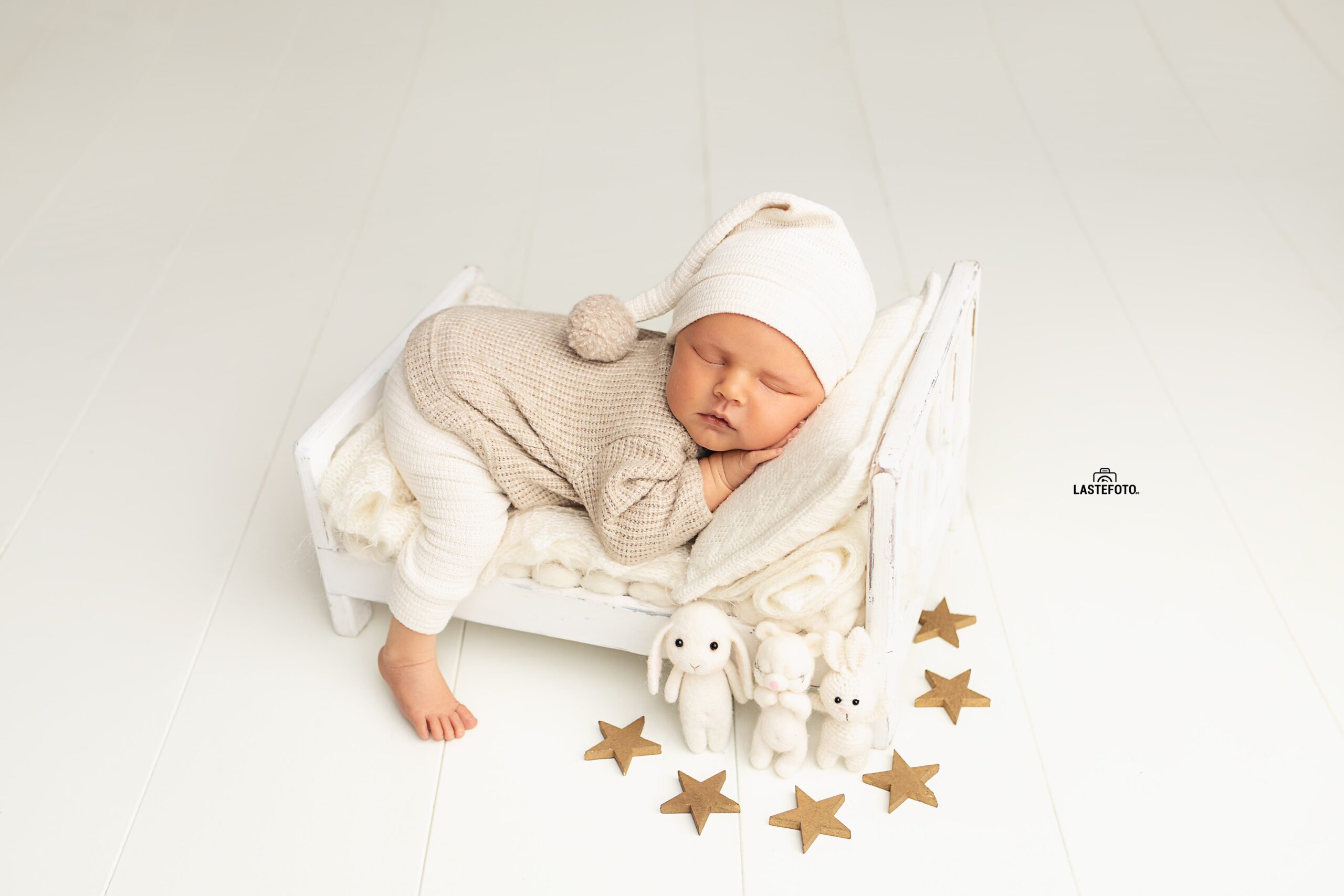
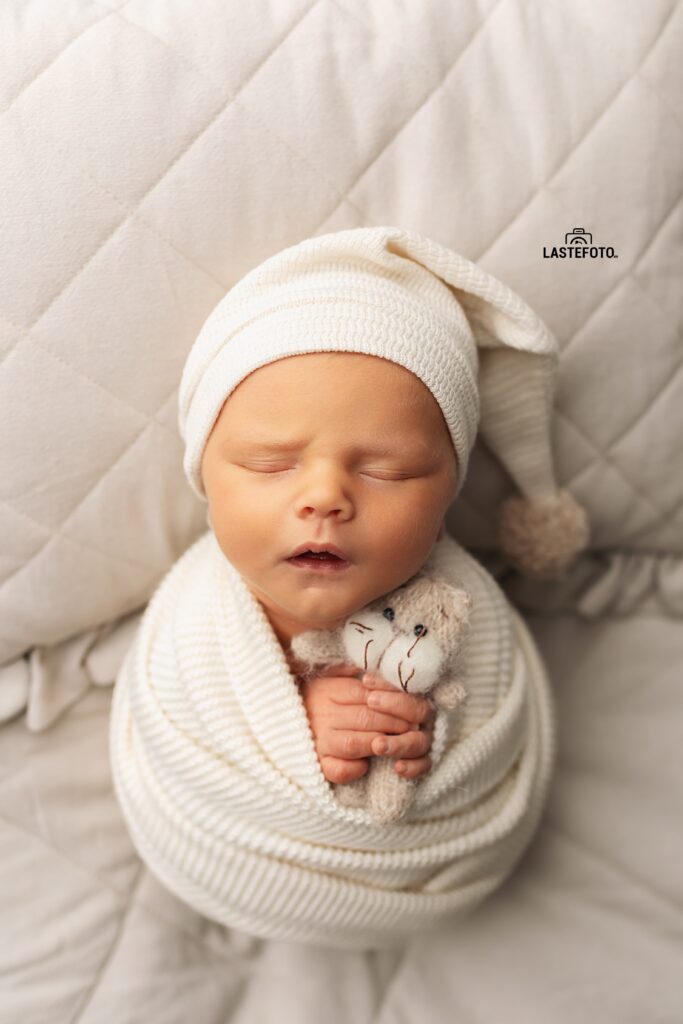
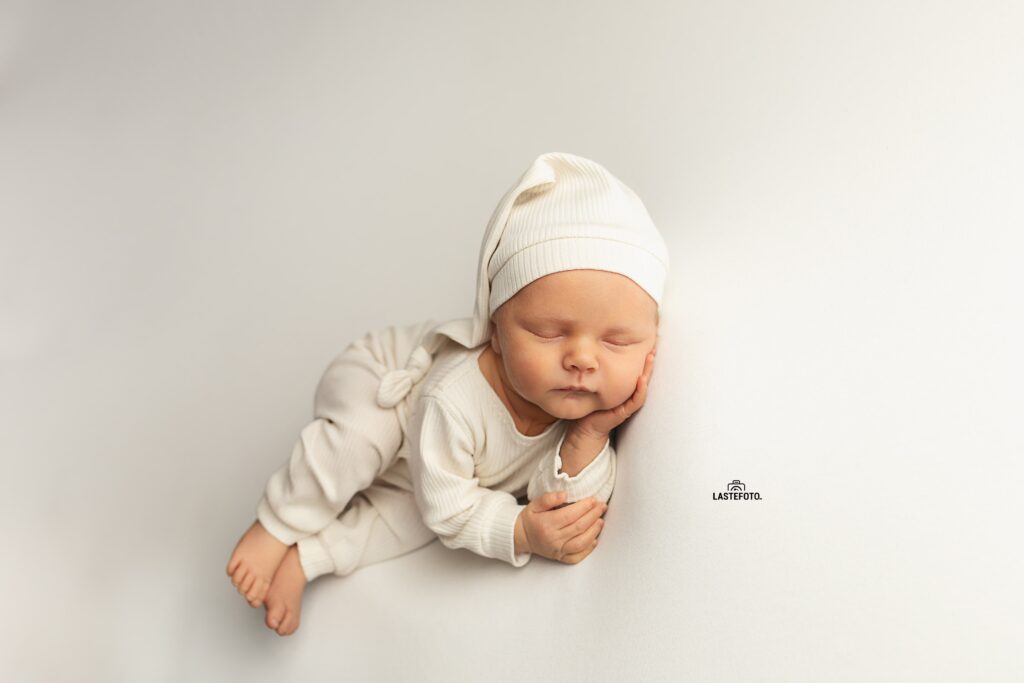
I’ve been photographing newborns in Tallinn since 2016, and over the years, hundreds of little ones have visited my studio. What I love most is that every session captures much more than beautiful photographs – it preserves a truly unique chapter in a family’s life. Professional newborn photoshoots are usually scheduled for the first 5–14 days after birth. During this time, babies are often easier to settle into the peaceful, curled-up poses associated with newborn photography. My studio has a lovely collection of fabrics, wraps, hats, and photography accessories, so parents don’t need to buy special outfits or props for their baby’s photoshoot.
And one of the loveliest parts is having Mum and Dad in the photographs too. Years from now, it will be wonderful to see not only how tiny your baby once was, but what you looked like during those very first days together.
If you’re expecting a baby, you can explore the options for a newborn photoshoot in advance. That way, we can discuss your wishes at a relaxed pace, rather than leaving all the planning until those busy first days after your baby arrives.
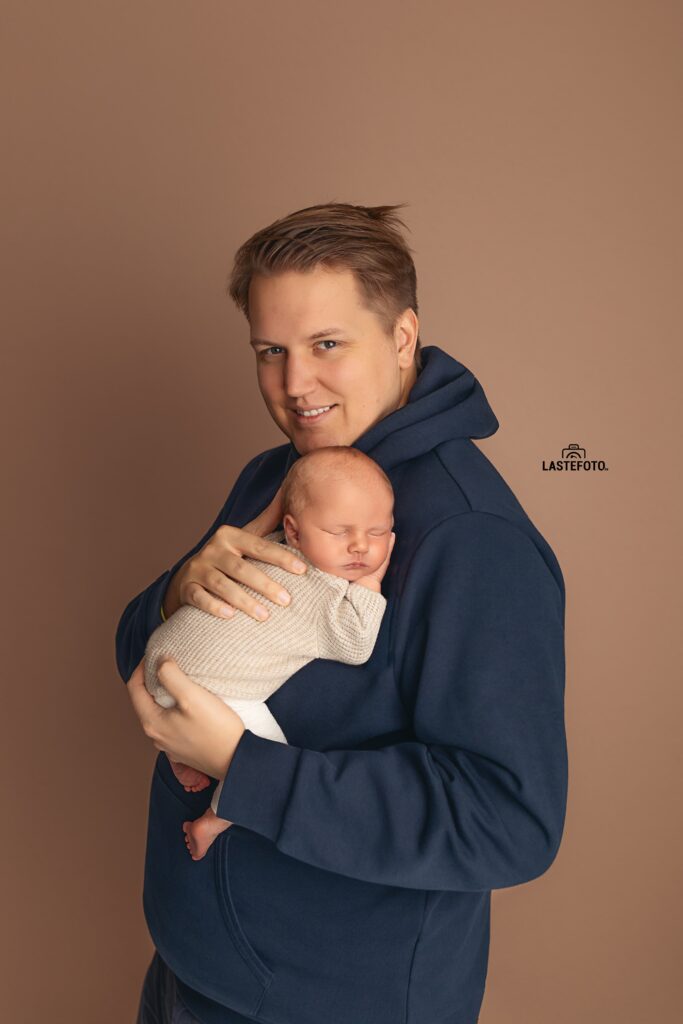
Newborn Essentials Checklist: Your Complete Pre-Baby Shopping List
Now that we’ve covered the main categories, let’s put together a practical newborn essentials checklist you can save and refer to as you prepare for your baby’s arrival.
Clothing: A few bodysuits and sleepsuits, extra cardigans and soft trousers, socks, and seasonally appropriate outdoor clothing.
Sleep: A suitable crib or bassinet, a safe mattress, fitted sheets, a waterproof mattress protector, and an appropriate baby sleeping bag.
Walks and Travel: A stroller with a suitable lie-flat option, weather protection, and an appropriate infant car seat for car journeys.
Hygiene: Diapers, soft wipes or washable cleaning cloths, a changing mat, towels, and a baby bathtub if needed.
Feeding: Supplies suited to your chosen feeding method, muslin cloths, and a few practical items to make things more comfortable for Mum.
Baby Care: A thermometer and a small selection of safe baby-care products recommended by a healthcare professional.
Anything that isn’t immediately necessary can wait until later. And if you happen to spot an impossibly cute little sleepsuit with bunny ears while shopping, there’s absolutely nothing wrong with adding it to your basket. 🙂 Preparing for your baby’s arrival should be enjoyable, too, not just practical. Just let those irresistible little purchases be lovely extras rather than must-haves on an endless shopping list.
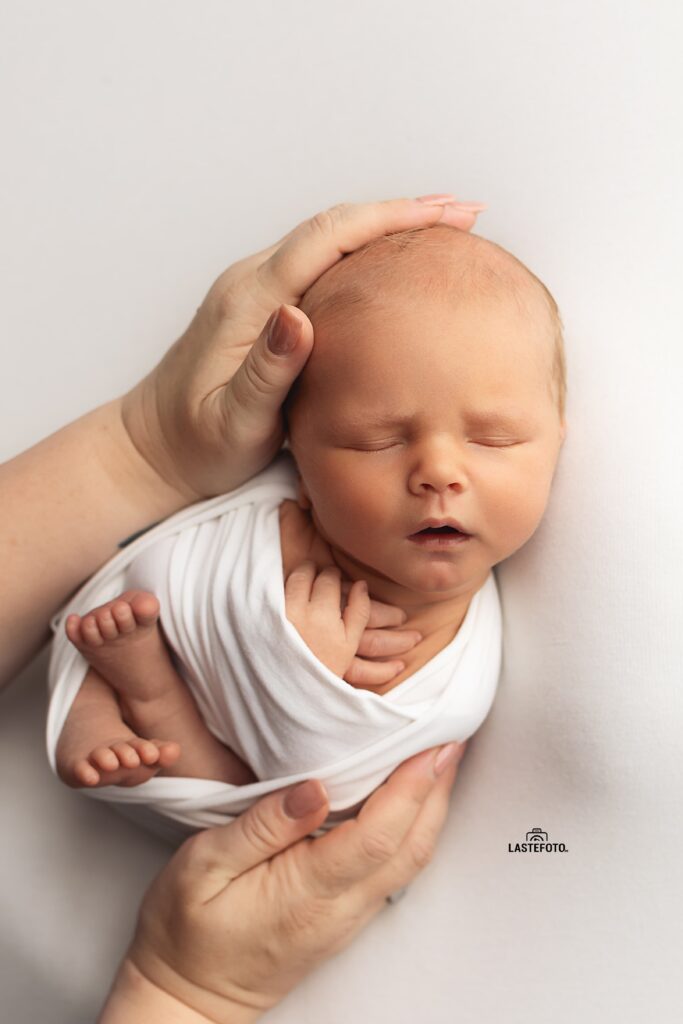
So, What Does a Newborn Really Need?
Perhaps one of the most surprising things about preparing for a baby is how different life turns out to be from everything we imagined before their arrival.
Before our baby is born, we choose things based on product descriptions, reviews, and beautiful photographs. Then we finally meet this tiny person, who already has preferences of their own. And suddenly, some of those expensive purchases turn out to be completely unnecessary, yet the simplest things are used every single day.
So don’t feel you need to buy everything baby stores recommend. Start with the basics, focus on safety and comfort, and make the remaining decisions as you go. Keep your newborn essentials checklist sensible and relatively short. After all, preparing for your baby’s arrival is about so much more than shopping.
A year from now, you probably won’t remember which bottle warmer you were thinking of buying or how much that matching bedding set cost. But you’ll certainly remember those first days together, the tiny hands, the sleepy little face, and that extraordinary feeling of finally having your baby home.
And photographs will help you hold on to those precious memories for many years to come. ❤️


